Large developers use Vind AI as their shared workspace for early project work, so a site being screened in one market is assessed the same way as a site in another. It doesn’t replace the specialist tools your technical teams depend on, it makes sure the work that reaches them is consistent and worth their time.

%20(900).png)
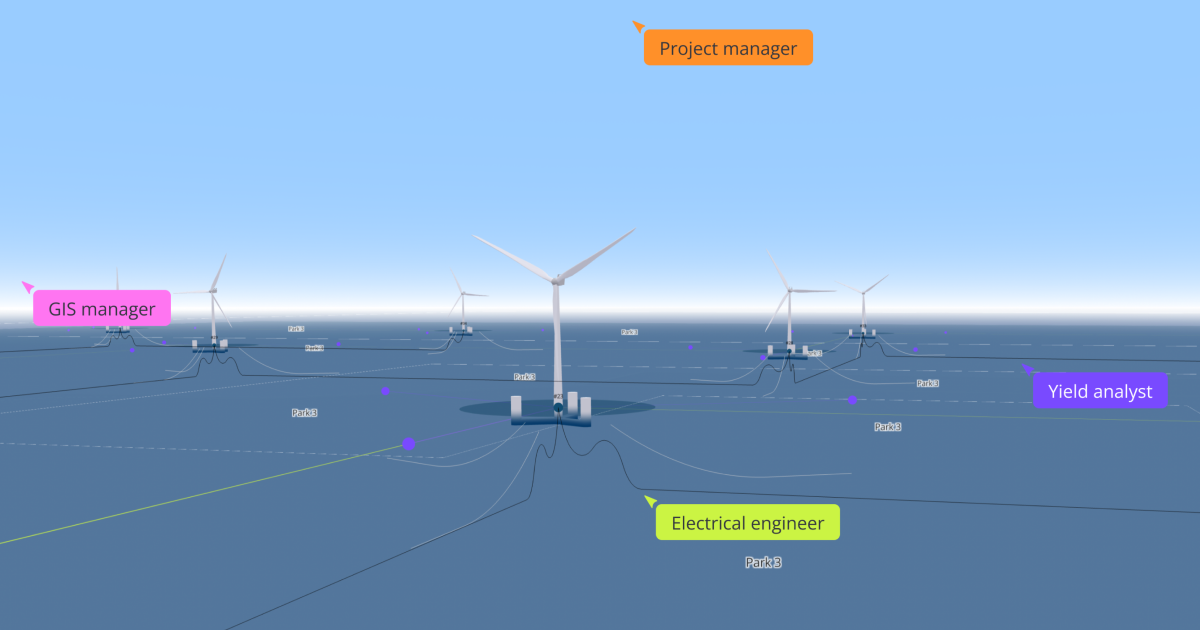
In a large development organisation, the people are already there. Yield teams, GIS teams, electrical engineers, financial modellers, each with tools they know well and methods they trust.
What tends to vary is everything before that point. Developers in different markets screen sites their own way, in their own spreadsheets, with the data sources they happen to have. Work arrives with the specialist teams in a different shape every time, and many projects aren’t vetted enough to even land on the busy specialist teams’ desks.
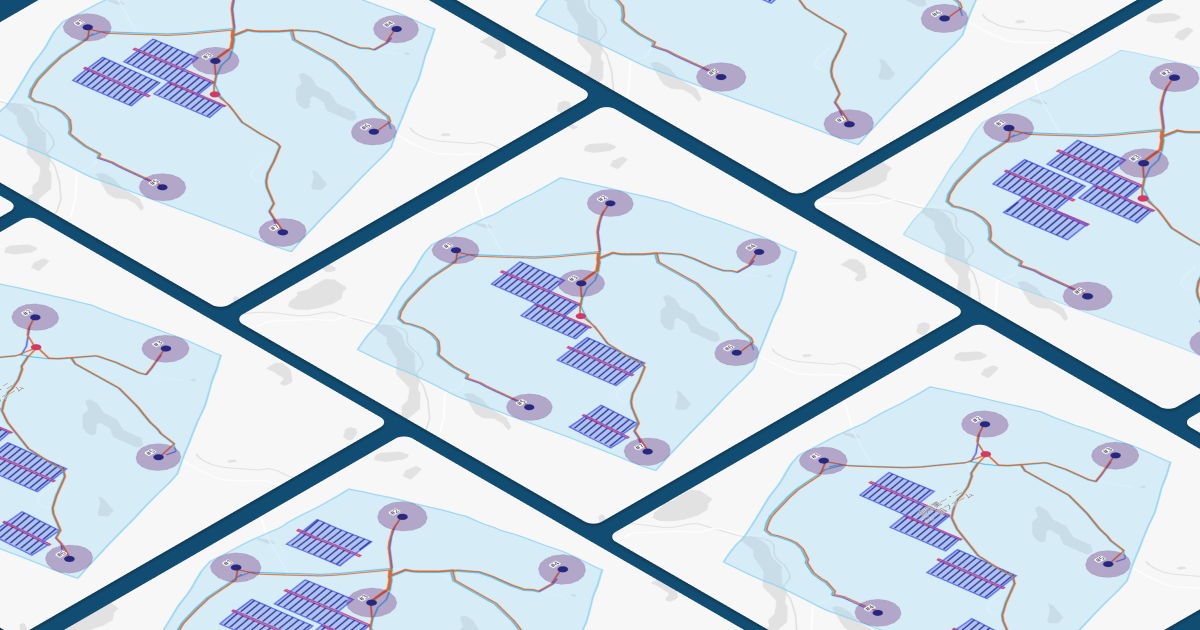
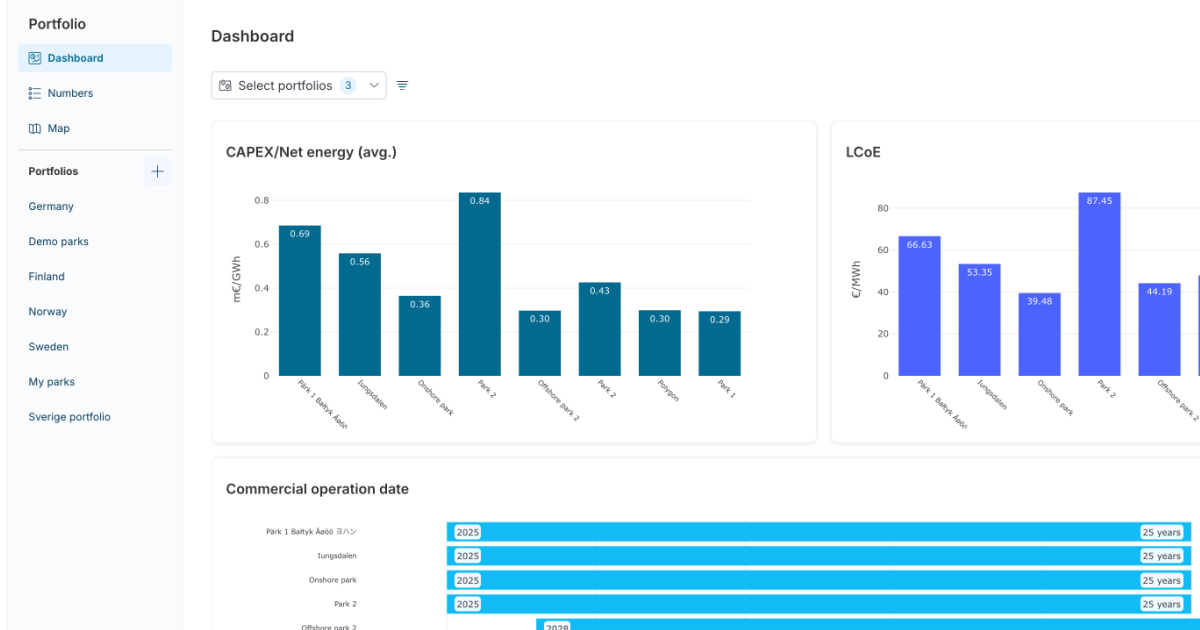
Vind AI covers that early window, from first look to a substantiated business case, so every market works from the same data, the same methods and the same outputs.
Vind AI is not a competitor to your yield software, your GIS estate or your engineering tools, and adopting it doesn’t ask any specialist team to change how they work.
In Vind AI, you can define your own standards in a central Library with governance and access controls. There are direct connections to existing GIS databases, configurations for wind and yield, financial assumptions for various markets and scenarios and procurement tables from your OEMs. This allows your experts to set the guardrails and serves as the backbone for standardisation across all projects and your portfolio of opportunities.
For security and procurement, Vind AI is ISO/IEC 27001 certified and gives granular control over who can view and edit each project, including external parties. Full documentation is in the Trust Centre.



There's no need to change anything centrally to begin. Most large organisations start with one market or one development team, run real projects through it, and use that as the basis for extending further.
Integration and security review can run in parallel with that first team, so by the time there's a case for wider rollout, the procurement questions are already answered.