
February 6, 2026
Another round of buzz around how AI is driving demand for renewable energy was recently sparked by Alphabet’s acquisition of energy developer Intersect for almost US$5 billion. The tech giant was not shy about the fact that holding onto its competitive advantage sits at the centre of why it is investing in renewable energy. Commenting on their press release announcing Alphabet’s acquisition, Intersect’s CEO said that “modern energy infrastructure now sits at the centre of American competitiveness in AI.”
And most recently, we see Google entering a purchasing agreement with EnBW in Germany. AI as a driver of energy demand is a trend that deserves attention. But what the renewable energy industry needs to have even more focus on is the flip-side: How energy developers must embrace AI and digitalisation to remain competitive and dramatically speed up the supply of renewable energy.
The topic of AI is, of course, already on the industry’s radar. Just last month, CNBC reported on “the twin potential of energy for AI and AI for energy,” citing the European Commission, which is expected to publish its strategic roadmap on digitalisation and AI in the energy sector in Q1 this year. Yet a momentous difference remains in the level of urgency and ambition we are seeing in the two industries when it comes to how they approach their counterpart.
Alphabet and other tech giants are rushing to secure access to power for their AI engines and are treating it as a core business issue. Meanwhile, in the renewable energy space, the majority of developers still seem to consider using advanced digital solutions and AI as optional. When they do consider it as a core business issue, they typically think of it as an opportunity for the future. It remains to be seen what’s in the European Commission's strategic roadmap on the topic, but even the title ‘strategic roadmap’ suggests that digitalisation and AI in the energy sector remain something we are headed toward rather than something that’s already here.
This is the common misconception that we have to urgently correct. Current digital technology can already completely reinvent how developers design and build renewable energy projects.
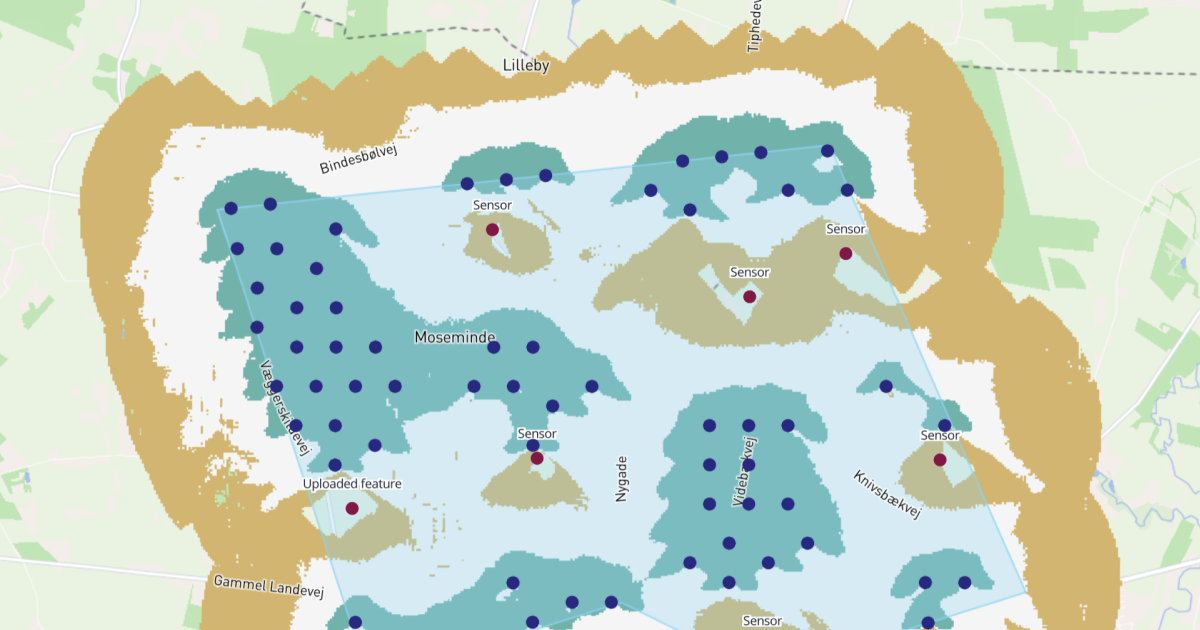
If we look at the wind industry, new digital platforms that incorporate advanced algorithms and huge amounts of data allow developers to complete highly detailed analysis of wind resources and yield in seconds and optimise wind farm layouts in minutes. Before, this could take days or even weeks. And this type of almost-instant analysis does not only apply to wind resources. Local impact assessments, electrical cables, grid connection, sensitivity to turbine pricing changes—all of the critical project parameters of a wind farm—can be accurately assessed at speed.
As a result, the select wind developers that already use these platforms find that they can develop better-performing projects significantly faster. The German energy giant EnBW's offshore wind team, for example, which has been using the Vind AI platform since 2023, reports that it is developing business cases more than five times faster than with its traditional ways of working.
The energy developers that cling to old manual processes will also soon fail to attract or retain the best engineers, analysts and project managers. The wind developers that have charged ahead with new digital ways of working report that their people strongly prefer it. They can outsource boring, repetitive tasks to algorithms, allowing them to spend much more of their time on solving challenging (and more interesting) problems. They are also more likely to design wind farms that will become real turbines on the ground, which makes for a much more satisfying task. (If you are not familiar with the wind industry, traditionally it’s been accepted as inevitable to spend a lot of time, often months or even years, on projects that in the end are scrapped, because the developer finds out too late that projects that seemed promising are not viable after all, due to factors like limited wind resources or stringent noise regulations.)
Energy is traditionally a conservative industry, especially compared to tech. Renewable energy developers are perhaps not likely to approach the opportunities of advanced algorithms and AI with the same bullishness as tech giants are approaching securing their renewable energy supply. But energy developers must dare to adopt some of that Silicon Valley ambition and urgency. Those who do not will quickly find themselves left behind when it comes to building project pipelines, winning bids and attracting the best people.
Please reach out if you are interested in seeing a demo, asking a question or sharing feedback.


.png)


.png)